
Azamgarh 20kW Solar Project | आजमगढ़ 20kW सोलर प्रोजेक्ट
Published on: 2026 | Category: Commercial Solar Project, Case Study
परिचय
आज के समय में बिजली किसी भी छोटे या मध्यम व्यवसाय के लिए एक महत्वपूर्ण आवश्यकता बन चुकी है। दुकान, आटा चक्की, डेयरी, वर्कशॉप, स्कूल, कार्यालय, गोदाम, छोटे उद्योग और अन्य commercial establishments में लगातार बिजली की आवश्यकता रहती है। जैसे-जैसे electrical load बढ़ता है, वैसे-वैसे बिजली का खर्च भी business operating cost का महत्वपूर्ण हिस्सा बन सकता है।
इसी कारण rooftop solar energy businesses के लिए एक long-term energy solution के रूप में तेजी से लोकप्रिय हो रही है।
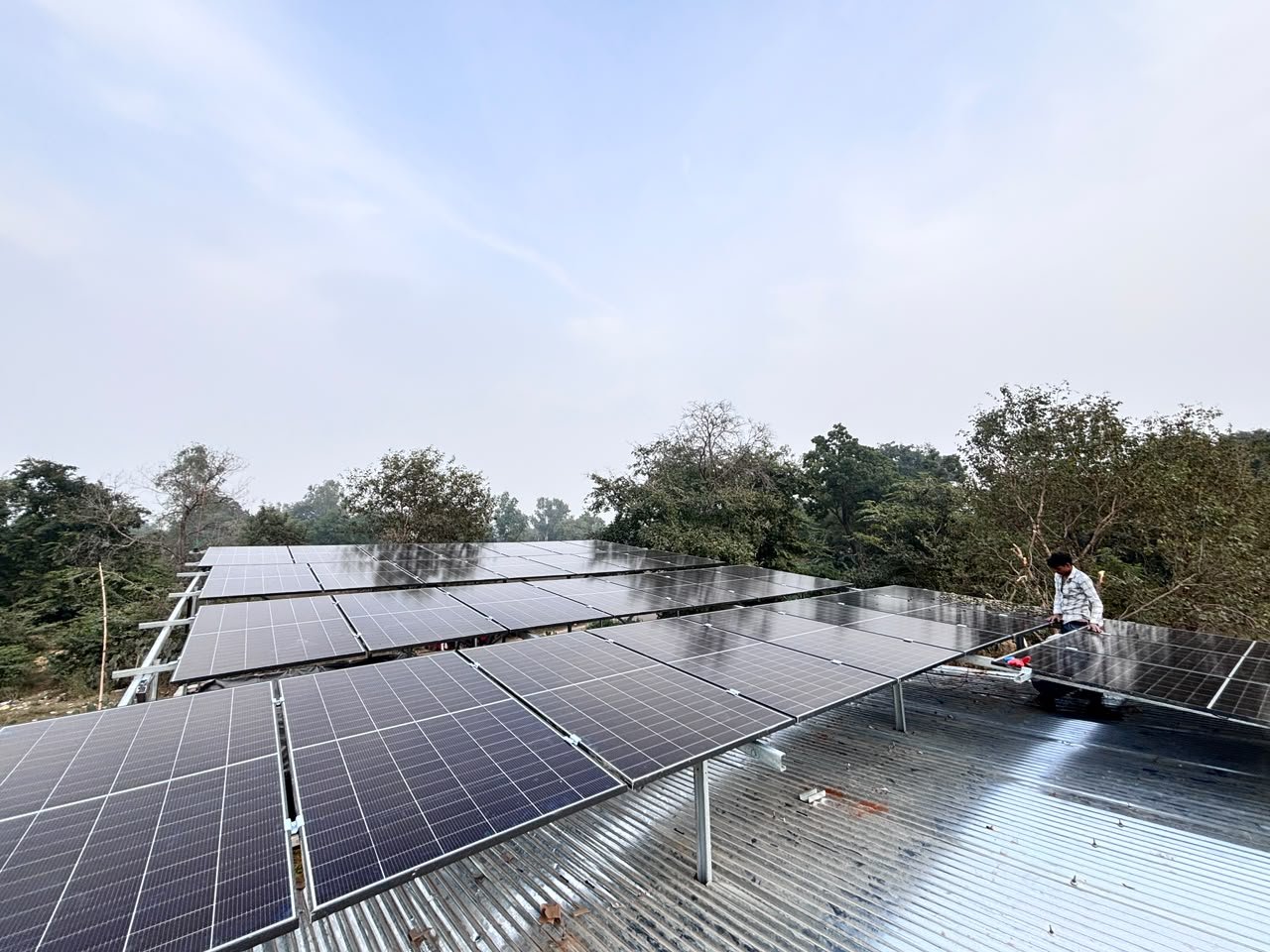
आजमगढ़, उत्तर प्रदेश में 20 kW का Solar Project एक ऐसा rooftop solar solution है, जो दिन के समय चलने वाले business loads को solar electricity से support कर सकता है। Solar generation का उपयोग सीधे premises के electrical loads में किया जा सकता है और applicable grid-connected arrangement के अनुसार surplus electricity का treatment किया जा सकता है।
20 kW solar plant का लाभ केवल बिजली की खपत को offset करने तक सीमित नहीं है। सही design और installation के साथ यह business की operating cost को नियंत्रित करने, energy planning को बेहतर बनाने और conventional grid electricity पर dependence कम करने में मदद कर सकता है।
UPNEDA के अनुसार rooftop solar systems residential के साथ-साथ commercial, institutional और industrial buildings पर भी लगाए जा सकते हैं। Grid-connected system में दिन के समय generated solar power को captive load में उपयोग किया जाता है और applicable rules के अनुसार excess generation grid में जा सकती है।
इस ब्लॉग में हम आजमगढ़ में 20 kW Solar Project के बारे में विस्तार से समझेंगे—इससे कितनी बिजली पैदा हो सकती है, कितनी roof space की जरूरत हो सकती है, solar system कैसे काम करता है, business electricity bill पर इसका क्या प्रभाव पड़ सकता है, subsidy किन परिस्थितियों में लागू हो सकती है, net metering क्या है और installation से पहले किन बातों का ध्यान रखना चाहिए।
20 kW Solar Project क्या है?
20 kW Solar Project एक photovoltaic solar power system है जिसकी installed capacity लगभग 20 किलोवाट होती है। इसमें solar PV modules सूर्य की रोशनी को DC electricity में बदलते हैं। Solar inverter इस DC electricity को AC electricity में convert करता है, जिसका उपयोग business के electrical loads में किया जाता है।
एक सामान्य 20 kW rooftop solar system में निम्नलिखित components शामिल हो सकते हैं:
- Solar PV Modules
- Solar Inverter
- Mounting Structure
- DC Cable
- AC Cable
- DCDB
- ACDB
- Surge Protection Device
- Earthing System
- Lightning Protection
- Generation Monitoring System
- Electrical Protection Equipment
- Metering Arrangement
Final system configuration customer के sanctioned load, electrical load profile, rooftop area, inverter selection, connection category और applicable DISCOM requirements के अनुसार तय किया जाता है।
आजमगढ़ में 20 kW Solar Project क्यों उपयोगी है?
आजमगढ़ में छोटे और मध्यम व्यवसायों, दुकानों, educational institutions, workshops, agricultural activities और service establishments में बिजली का उपयोग अलग-अलग electrical applications के लिए होता है।
20 kW solar system विशेष रूप से ऐसे premises के लिए उपयोगी हो सकता है जहां दिन के समय electrical load लगातार या नियमित रूप से चलता है।
- आटा चक्की
- डेयरी
- छोटी manufacturing unit
- वर्कशॉप
- दुकान और commercial complex
- स्कूल और educational premises
- ऑफिस
- गोदाम
- पानी के पंप
- कूलिंग equipment
- कंप्यूटर और networking equipment
- पैकेजिंग मशीन
यदि इन loads का उपयोग मुख्य रूप से दिन के समय होता है, तो solar generation का बड़ा हिस्सा सीधे premises में consume किया जा सकता है। इससे self-consumption बढ़ सकता है और grid से electricity import कम हो सकती है।
20 kW Solar Plant कितनी बिजली पैदा कर सकता है?
Solar plant की actual generation कई factors पर निर्भर करती है। इनमें sunlight availability, panel orientation, tilt angle, temperature, shading, dust, inverter efficiency, module performance और overall system design शामिल हैं।
Initial planning के लिए लगभग 3.5 से 4.5 यूनिट प्रति kW प्रति दिन का सामान्य अनुमान लिया जा सकता है।
20 kW solar plant के लिए:
20 x 3.5 = लगभग 70 यूनिट प्रतिदिन
और:
20 x 4.5 = लगभग 90 यूनिट प्रतिदिन
इस प्रकार सामान्य planning estimate के अनुसार 20 kW solar plant लगभग 70-90 यूनिट प्रतिदिन electricity generate कर सकता है।
वार्षिक आधार पर लगभग 25,500-32,850 यूनिट प्रति वर्ष generation का planning estimate लिया जा सकता है।
यह अनुमान है, guarantee नहीं। Actual generation weather, season, dust, shading, module degradation, inverter performance और maintenance conditions के अनुसार बदल सकती है।
20 kW Solar Project से बिजली की बचत कैसे होगी?
20 kW solar project का मुख्य financial benefit grid से खरीदी जाने वाली electricity को कम करना है। Solar electricity पहले business के available loads में consume हो सकती है।
उदाहरण के लिए यदि किसी business में दिन के समय 80 यूनिट electricity consumption है और solar plant उस समय पर्याप्त generation कर रहा है, तो solar power का बड़ा हिस्सा सीधे business loads में इस्तेमाल हो सकता है।
यदि solar generation business load से अधिक हो, तो अतिरिक्त electricity का treatment applicable metering arrangement और current DISCOM regulations पर निर्भर करेगा।
इसलिए solar generation और electricity bill saving हमेशा बिल्कुल समान नहीं होते। Self-consumption ratio solar project की financial performance का एक महत्वपूर्ण factor है।
20 kW Solar Project से संभावित Business Benefit
यदि 20 kW solar plant सालाना लगभग 25,500 से 32,850 यूनिट electricity generate करता है और generated electricity का बड़ा हिस्सा business द्वारा स्वयं consume किया जाता है, तो grid electricity purchase में significant reduction हो सकती है।
वास्तविक financial benefit electricity tariff, billing structure, fixed charges, demand charges, self-consumption और applicable export/settlement mechanism पर निर्भर करेगा।
इसी कारण किसी भी project की final financial analysis actual electricity bills और load profile के आधार पर की जानी चाहिए। केवल installed capacity देखकर exact savings तय करना सही नहीं होगा।
Solar से व्यवसाय की Profitability कैसे बेहतर हो सकती है?
Solar plant business के लिए सीधे sales generate नहीं करता, लेकिन electricity operating expense को कम करके profitability improve करने में मदद कर सकता है।
सरल रूप में:
Solar Generation → Grid Electricity Purchase कम → Electricity Expense कम → Operating Cost बेहतर → Business Profitability में सुधार
यदि किसी business की electricity consumption अधिक है और उसका बड़ा हिस्सा daytime में होता है, तो solar self-consumption का benefit और अधिक महत्वपूर्ण हो सकता है।
कम electricity expense से business के cash flow को support मिल सकता है और long-term energy planning बेहतर हो सकती है।
20 kW Solar Project में अतिरिक्त आय का अवसर
कुछ grid-connected projects में solar generation business की तत्काल आवश्यकता से अधिक हो सकती है। ऐसे surplus power का treatment applicable metering arrangement और current DISCOM regulations के अनुसार किया जाता है।
UPNEDA की rooftop solar guidance में net metering व्यवस्था के तहत surplus electricity के grid में जाने की व्यवस्था का वर्णन किया गया है। हालांकि actual consumer category, connection type, sanctioned load और current applicable regulations की पुष्टि project approval से पहले करनी चाहिए।
इसलिए project planning के दौरान निम्नलिखित points check करना आवश्यक है:
- Connection residential है या commercial
- Sanctioned load या contract demand कितना है
- Proposed solar capacity कितनी है
- Distribution transformer capacity और technical feasibility
- Applicable metering arrangement
- Current DISCOM requirements
20 kW Solar Project में Subsidy मिलेगी या नहीं?
Solar subsidy के संबंध में सबसे महत्वपूर्ण बात consumer category है। हर 20 kW solar project पर residential rooftop subsidy automatically लागू नहीं होती।
UP Solar Energy Policy में private residential sector के grid-connected rooftop systems के लिए state subsidy provision का उल्लेख है। इसलिए residential और commercial project की eligibility को अलग-अलग समझना जरूरी है।
यदि 20 kW system किसी commercial shop, factory, workshop, flour mill या अन्य profit-making business connection के लिए लगाया जा रहा है, तो residential rooftop subsidy को project financial calculation में स्वतः शामिल नहीं करना चाहिए।
यदि project eligible residential consumer के लिए है, तो उस समय लागू central/state scheme और eligibility के अनुसार subsidy अलग हो सकती है। Final subsidy eligibility के लिए current UPNEDA/DISCOM guidelines की पुष्टि करनी चाहिए।
आजमगढ़ में Residential और Commercial Solar में अंतर
Residential Solar Project
Residential rooftop solar घर या eligible residential electricity connection के लिए लगाया जाता है। Residential projects के लिए लागू central और state subsidy schemes अलग हो सकती हैं और eligibility current government guidelines पर निर्भर करती है।
Commercial Solar Project
दुकान, business, workshop, office, factory या commercial establishment के लिए लगाया गया solar project अलग regulatory और financial framework के अंतर्गत आता है।
Commercial 20 kW project की economics मुख्य रूप से:
Self-Consumption + Electricity Cost Reduction + Applicable Export/Metering Benefit
पर आधारित होनी चाहिए।
20 kW Solar Plant के लिए कितनी जगह चाहिए?
UPNEDA की rooftop solar FAQ के अनुसार सामान्य planning benchmark के रूप में लगभग 10 वर्ग मीटर प्रति kWp area की आवश्यकता मानी जा सकती है। इस हिसाब से 20 kW system के लिए लगभग 200 वर्ग मीटर roof area का planning benchmark बनता है।
वास्तविक layout panel dimensions, row spacing, tilt angle, maintenance walkway, parapet और shadow conditions के अनुसार अलग हो सकता है।
Site survey में निम्नलिखित चीजें check करनी चाहिए:
- पूरे दिन पर्याप्त sunlight availability
- Shadow-free rooftop area
- Roof structural condition
- Water drainage
- Maintenance walkway
- Inverter installation location
- Electrical equipment के लिए सुरक्षित स्थान
20 kW Solar System में Solar Panels कितने लग सकते हैं?
Panel wattage के अनुसार panel count अलग हो सकता है। उदाहरण के लिए यदि लगभग 550 W modules इस्तेमाल किए जाएं, तो 20 kW capacity के लिए लगभग 37 modules की आवश्यकता हो सकती है।
Actual panel count selected module wattage और final system design पर निर्भर करेगा। इसलिए installation के समय approved technical design को प्राथमिकता दी जानी चाहिए।
20 kW Solar System में On-Grid व्यवस्था
Commercial rooftop solar के लिए on-grid system एक practical option हो सकता है, खासकर जब business दिन के समय चलता हो।
इसका basic flow इस प्रकार होता है:
Sunlight → Solar Panels → Solar Inverter → Business Load
जब solar generation load से कम होती है, तो आवश्यक अतिरिक्त electricity grid से ली जा सकती है। जब solar generation load से अधिक होती है, तो applicable metering arrangement के अनुसार surplus electricity का treatment किया जा सकता है।
इस प्रकार business को केवल solar generation पर निर्भर रहने की आवश्यकता नहीं होती। Grid और solar दोनों मिलकर electricity requirement को support कर सकते हैं।
क्या Battery की जरूरत होगी?
हर 20 kW solar project में battery जरूरी नहीं होती। यदि business दिन के समय चलता है और मुख्य उद्देश्य electricity bill reduction है, तो grid-connected on-grid system बिना battery के भी उपयोगी हो सकता है।
Battery की आवश्यकता निम्न परिस्थितियों में हो सकती है:
- Frequent power cuts
- Night-time operation
- Critical electrical loads
- Backup power requirement
- Grid-independent operation
- Uninterrupted power requirement
20 kW Solar Project में Load Analysis क्यों जरूरी है?
Solar plant की capacity केवल available roof area देखकर तय नहीं करनी चाहिए। Business का actual electricity consumption और load profile भी देखना जरूरी है।
Load analysis में यह समझा जाता है कि कौन-से electrical appliances कितने समय तक चलते हैं और उनका total demand कितना है।
उदाहरण के लिए:
- Motors
- Flour Mill Machines
- Water Pumps
- Fans
- Lighting
- Computers
- Air Conditioners
- Refrigeration Equipment
- Workshop Machines
यदि business का बड़ा load daytime में चलता है, तो solar self-consumption बेहतर हो सकता है।
Net Metering क्या है?
Net metering एक ऐसी metering व्यवस्था है जिसमें consumer premises पर grid से import और rooftop solar से grid में export होने वाली electricity को applicable rules के अनुसार account किया जाता है।
यदि किसी समय solar generation business की consumption से अधिक हो, तो surplus electricity grid की ओर जा सकती है, बशर्ते approved metering arrangement और technical requirements लागू हों।
UPNEDA के अनुसार grid-connected rooftop system में bidirectional metering arrangement का उपयोग किया जा सकता है। Actual process और approval current DISCOM regulations के अनुसार होता है।
20 kW Solar Project की Installation Process
- Electricity Bill Analysis: पिछले कई महीनों के electricity bills का अध्ययन किया जाता है।
- Load Assessment: Existing sanctioned load और actual electrical load को समझा जाता है।
- Roof Survey: Shadow, roof condition और available area की जांच की जाती है।
- Solar Design: Panel layout, inverter और electrical protection design किया जाता है।
- DISCOM Feasibility: Grid-connected project के लिए applicable technical requirements की जांच होती है।
- Structure Installation: Mounting structure तैयार किया जाता है।
- Panel Installation: Solar modules install किए जाते हैं।
- Electrical Installation: DCDB, ACDB, cables, SPD, earthing और protection equipment लगाए जाते हैं।
- Inverter Installation: Solar inverter install और configure किया जाता है।
- Testing & Commissioning: पूरे system की testing की जाती है।
- Metering: Applicable grid/metering arrangement के अनुसार meter process पूरा किया जाता है।
- Monitoring: Generation monitoring system activate किया जाता है।
20 kW Solar Project की Safety
Solar system में electrical safety सबसे महत्वपूर्ण aspects में से एक है। Installation के समय proper earthing, surge protection, cable sizing और electrical isolation व्यवस्था का ध्यान रखना चाहिए।
मुख्य safety components में शामिल हैं:
- Proper Earthing
- DCDB
- ACDB
- Surge Protection Device
- Lightning Protection
- Proper Cable Management
- Isolators
- Inverter Protection
- Warning and Safety Labels
Grid failure की स्थिति में grid-connected solar system को grid में electricity feed नहीं करनी चाहिए। इस protection को anti-islanding/islanding protection के माध्यम से manage किया जाता है।
20 kW Solar Plant की Maintenance
Solar plant में routine maintenance बहुत जटिल नहीं होती, लेकिन नियमित inspection जरूरी है।
Solar Panel Cleaning
धूल और मिट्टी panel output को प्रभावित कर सकती है। आवश्यकता के अनुसार panels की cleaning करनी चाहिए।
Inverter Inspection
Inverter display, alarms और generation data की नियमित जांच करनी चाहिए।
Cable Inspection
DC और AC cables में loose connection, insulation damage या overheating की जांच करनी चाहिए।
Structure Inspection
Mounting structure के bolts, corrosion और mechanical stability को check करना चाहिए।
Earthing Inspection
Earthing और protection system की periodic inspection electrical safety के लिए आवश्यक है।
Generation Monitoring
Daily और monthly generation को monitor करना चाहिए। अचानक generation कम होने पर shading, dust, inverter fault या electrical issue की जांच करनी चाहिए।
आजमगढ़ में 20 kW Solar Project लगाने से पहले किन बातों का ध्यान रखें?
1. Electricity Bills का अध्ययन
पिछले 6-12 महीनों के electricity bills देखकर consumption pattern समझें।
2. Daytime Load Profile
Solar generation के समय business कितना electricity consume करता है, यह समझना बहुत जरूरी है।
3. Roof Survey
Shadow-free area और roof structure की जांच करें।
4. Sanctioned Load
Proposed solar capacity को sanctioned load/contract demand और applicable technical requirements के साथ verify करें।
5. सही Inverter Selection
Solar capacity और electrical system के अनुसार suitable inverter select करें।
6. Safety Equipment
ACDB, DCDB, SPD, earthing और lightning protection को उचित design के साथ शामिल करें।
7. DISCOM Requirements
Grid-connected installation से पहले current DISCOM rules और metering requirements की पुष्टि करें।
8. Monitoring System
Generation monitoring के लिए suitable monitoring system लगाना बेहतर होता है।
आजमगढ़ में 20 kW Solar Project: एक Practical Example
मान लीजिए आजमगढ़ में एक business premises की electricity requirement मुख्य रूप से दिन के समय रहती है। वहां 20 kW rooftop solar plant लगाया जाता है।
यदि plant अच्छे sunlight conditions में लगभग 70-90 यूनिट प्रतिदिन generate करता है और business उसी समय electricity consume करता है, तो solar generation का बड़ा हिस्सा सीधे business loads में इस्तेमाल किया जा सकता है।
इससे grid से imported electricity में कमी आ सकती है। यदि किसी दिन solar generation load से अधिक हो, तो applicable metering arrangement के अनुसार surplus electricity का treatment किया जा सकता है।
इस example में सबसे महत्वपूर्ण factors हैं:
Solar Generation + Daytime Load + Self-Consumption + Applicable Metering Rules
क्या 20 kW Solar Project से पूरा बिजली बिल खत्म हो सकता है?
हर project में ऐसा जरूरी नहीं है। Solar plant energy charges को काफी हद तक offset करने में मदद कर सकता है, लेकिन electricity bill में fixed charges, demand-related charges, taxes, meter charges और अन्य applicable components हो सकते हैं।
इसलिए solar plant लगाने के बाद भी कुछ charges bill में बने रह सकते हैं। Exact financial benefit के लिए actual tariff structure और electricity bills का analysis करना जरूरी है।
आजमगढ़ में Solar Energy का भविष्य
उत्तर प्रदेश में rooftop solar को बढ़ावा देने के लिए state solar policy और UPNEDA के माध्यम से विभिन्न rooftop solar initiatives चलाए जा रहे हैं। UP Solar Energy Policy में rooftop solar development, net metering और solar city development पर जोर दिया गया है।
आजमगढ़ को भी UP Solar Energy Policy के solar city framework में शामिल किया गया है। इससे शहर और आसपास के क्षेत्रों में renewable energy adoption के लिए long-term opportunity दिखाई देती है।
Commercial businesses के लिए rooftop solar आने वाले समय में energy cost management और sustainability का महत्वपूर्ण हिस्सा बन सकता है।
निष्कर्ष
आजमगढ़, उत्तर प्रदेश में 20 kW Solar Project छोटे और मध्यम businesses के लिए electricity cost को नियंत्रित करने का एक उपयोगी long-term solution हो सकता है, खासकर तब जब business का electrical load दिन के समय अधिक चलता हो।
एक 20 kW solar plant सामान्य planning assumptions के आधार पर लगभग 70-90 यूनिट प्रतिदिन और करीब 25,500-32,850 यूनिट सालाना बिजली generate कर सकता है। Actual generation site conditions, weather, shading, panel performance और system efficiency पर निर्भर करेगी।
यदि generated electricity का बड़ा हिस्सा business द्वारा स्वयं consume किया जाता है, तो grid electricity purchase कम हो सकती है और electricity expense में meaningful reduction संभव है।
Subsidy के मामले में residential और commercial project के बीच अंतर समझना बहुत जरूरी है। UP की policy में residential rooftop systems के लिए subsidy provisions हैं, जबकि commercial project के लिए residential subsidy को automatically applicable नहीं माना जाना चाहिए। Final eligibility current government और DISCOM guidelines के अनुसार verify करनी चाहिए।
अंततः 20 kW solar plant को केवल बिजली बचाने वाली मशीन के रूप में नहीं बल्कि एक long-term energy asset के रूप में देखा जा सकता है। सही site survey, load analysis, quality components, proper electrical protection और regular maintenance के साथ यह business के operating expenses को नियंत्रित करने में महत्वपूर्ण योगदान दे सकता है।
आजमगढ़ में 20 kW solar project उन businesses के लिए विशेष रूप से उपयोगी हो सकता है जिनकी electricity consumption दिन के समय अधिक होती है। सही solar design और professional installation के साथ यह project energy cost management, renewable energy adoption और long-term business planning में महत्वपूर्ण भूमिका निभा सकता है।
Internal reference: Azamgarh Solar System
External reference: National Solar Rooftop Portal